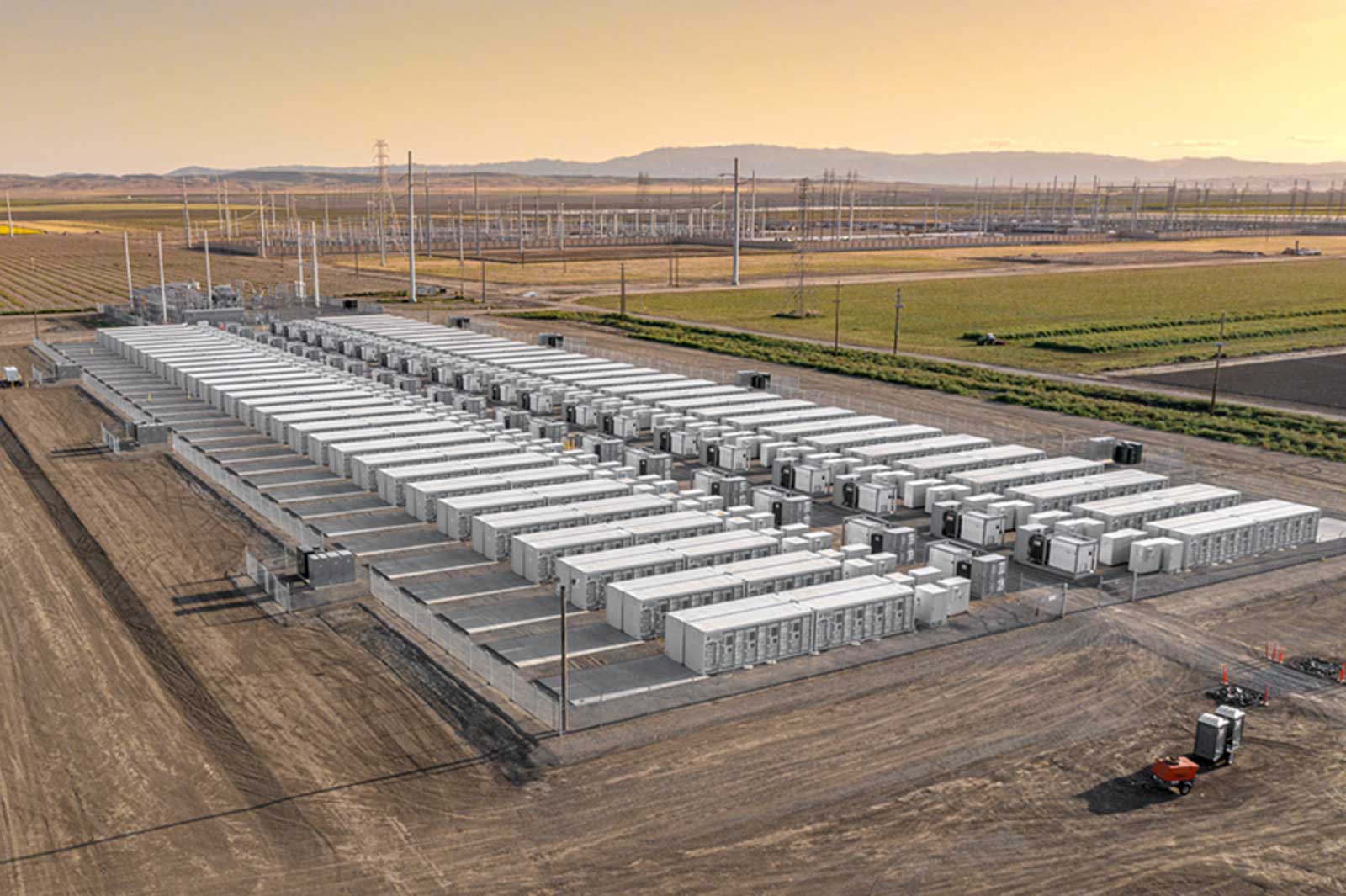
 1. What Is an Energy Storage System (ESS)?
An Energy Storage System (ESS) stores electrical energy for later use and plays a central role in:
Renewable energy integration
Grid frequency regulation
Peak load shifting
Backup power supply
Industrial microgrids
Today, most large-scale ESS installations are lithium-ion based, commonly referred to as Battery Energy Storage Systems (BESS).
Because these systems operate at high DC voltage and contain significant stored energy, proper fault protection is critical.
The key difference between AC and DC protection lies in current interruption behavior.
In AC circuits:
Current naturally crosses zero 100 or 120 times per second.
Arcs extinguish more easily.
In DC circuits:
There is no natural zero-crossing.
The arc must be forcibly extinguished.
Fault current rises extremely fast due to low internal battery resistance.
This makes DC-rated fuses essential in ESS systems.
Typical fuse installation points include:
Battery rack level
Battery cluster combiner units
Main DC bus protection
PCS DC input terminals
Each location requires different fuse characteristics depending on fault level and coordination strategy.
Selecting a fuse for ESS requires engineering evaluation.
Modern ESS commonly operate at:
750V DC
1000V DC
1250V DC
1500V DC
The fuse must be rated equal to or higher than system voltage.
The fuse must safely interrupt the maximum prospective short-circuit current.
Utility-scale systems may require breaking capacities above 50kA or even 100kA.
I²t represents the thermal energy let-through during fault interruption.
Lower I²t helps:
Reduce thermal stress on battery cells
Protect busbars
Limit mechanical damage
Common fuse categories in ESS:
aR – Partial-range semiconductor protection
gR – Full-range semiconductor protection
Defined under IEC 60269-4.
Energy storage projects often require compliance with:
IEC 60269
IEC 62933
UL 248
Compliance ensures tested breaking performance and safety verification.
Engineering mistakes seen in real projects include:
Using AC-rated fuses in DC battery circuits
Ignoring temperature derating inside containers
Selecting insufficient breaking capacity
Poor coordination between rack fuse and main fuse
Proper coordination studies are recommended for large-scale ESS installations.
As ESS voltage and capacity increase, fuse technology is evolving toward:
1500V DC capability
Higher breaking capacity in compact size
Lower I²t designs
Integration with monitoring systems
Protection requirements will continue to grow as energy density increases.
Energy storage fuse selection in ESS systems is a technical engineering task—not simply a component purchase decision.
Understanding:
DC interruption behavior
Fault current magnitude
I²t coordination
Applicable standards
is essential for ensuring system safety and long-term reliability.

We use cookies to enhance your browsing experience, serve personalized ads or content, and analyze our traffic. By clicking "Accept All", you consent to our use of cookies.
 EN
EN ES
ES